Food-grade carbon dioxide (CO₂) is used in beverage carbonation and modified atmosphere packaging (MAP), where it helps slow spoilage in products such as meat, fish and ready meals. Quality control involves checking the purity of the CO₂ supply and, for packaged foods, verifying the gas mixture inside the sealed pack.
What needs to be measured?
CO₂ purity and trace impurities. Gas producers and food manufacturers can test CO₂ at the production outlet or before use. The impurities to check depend on the gas source and the applicable specification. They may include moisture, oxygen, carbon monoxide and volatile organic compounds that can affect taste, odour or suitability for food use.
Purification performance. Where CO₂ is recovered from fermentation or another industrial process, monitoring at the purification outlet helps detect changes in gas quality before the CO₂ is supplied for food or beverage use. Multi-gas FTIR analysers can measure several infrared-active impurities in one sample. Oxygen requires a dedicated measurement method.
Gas composition inside the pack. Headspace analysers measure CO₂ and residual oxygen in sealed packs. Comparing these readings with the product’s target gas mix helps packaging teams check gas flushing and investigate changes during shelf-life trials.
Explore AQA’s gas analysis instruments for food-grade CO₂ purity and trace impurity monitoring below.
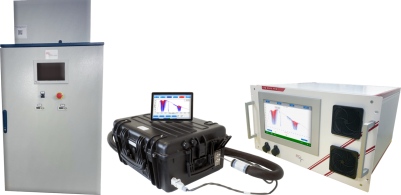
Multicomponent FTIR gas analyser that quantifies many gases at once from a single infrared spectrum. 0.5 cm-1 resolution, 5 m optical path and heated cell options, offered in 19-inch rack, portable and wall-mounted versions.